
AI Email Automation
What is it
What Is AI Email Automation?
AI email automation is the Ai based system that runs the email campaigns without any manual involvement. Email automation workflow follows the "if/else" concepts to produce the result. AI-powered emails make dynamic decisions based on real-time customer data. It follows the signals and predictive analytics to generate the output. AI driven systems do not just follow the instructions that are defined at once. It learns, adapts and improves every time, and that produces the correct real world result because of real-world data.
1.1 Personalization Example With Real-World Use Case
Let's suppose, if a subscriber usually opens emails early in the morning through a mobile device, the AI system will define the future email delivery around that behavior automatically. If another user prefers educational content over promotional emails, the system adjusts the preferences accordingly.
Comparison
The Difference Between Traditional Email Marketing And Email Automation Marketing
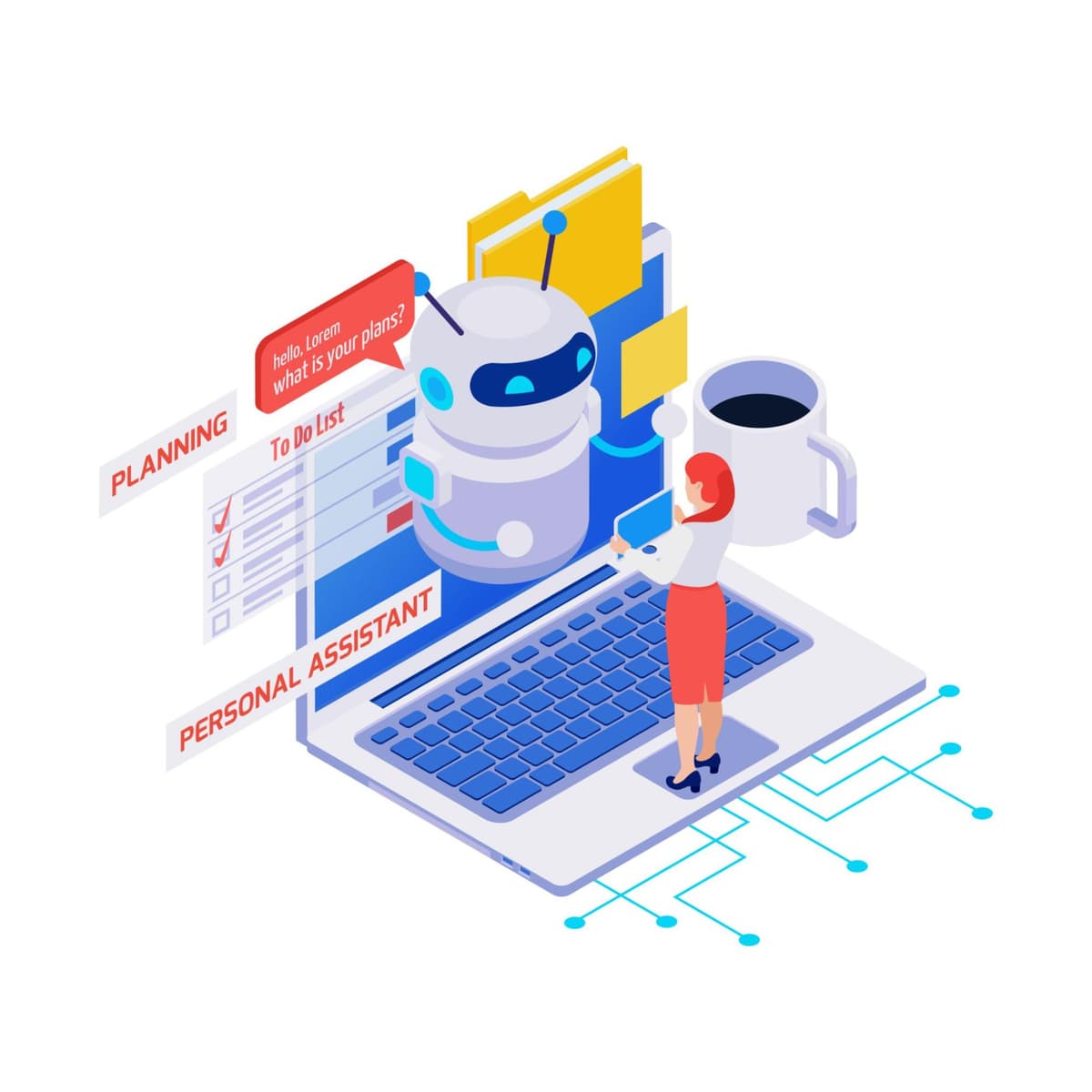
The differences between AI-driven and traditional email marketing are much different beyond the technology. It basically changes how you plan campaigns, run them and improve them over time.
Core Capabilities
AI Email Marketing Automation Work On Four Core Capabilities
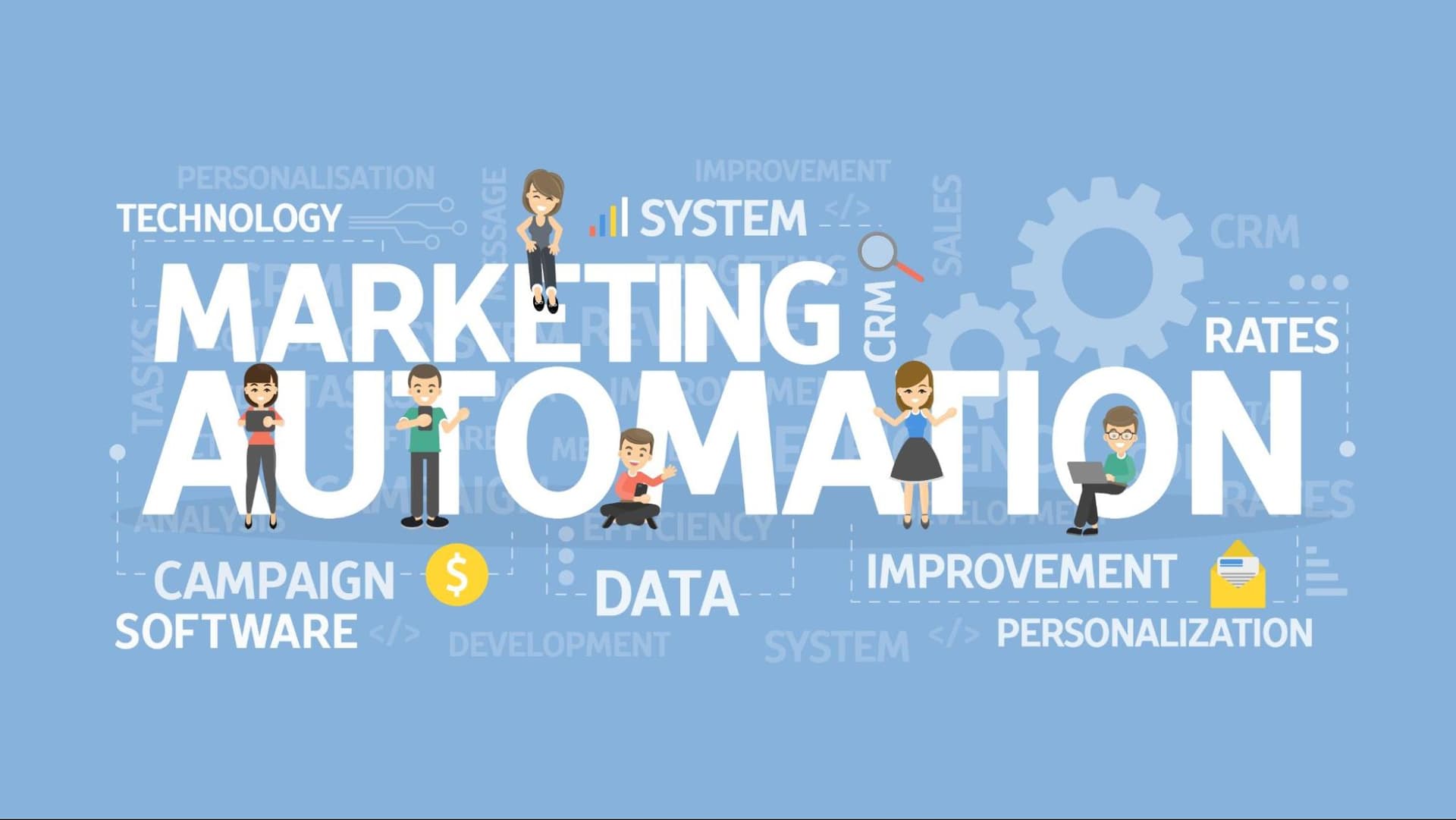
AI email automation combines four intelligent technologies that work together to improve campaign performance automatically.

Machine Learning Algorithms
First of all, machine learning algorithms analyze the subscriber's behavior, engagement patterns and campaign performance throughout your entire lists of data to make the intelligent decisions. They find patterns at a scale that human analysts may perform manually with accuracy.
Natural Language Processing (NLP)
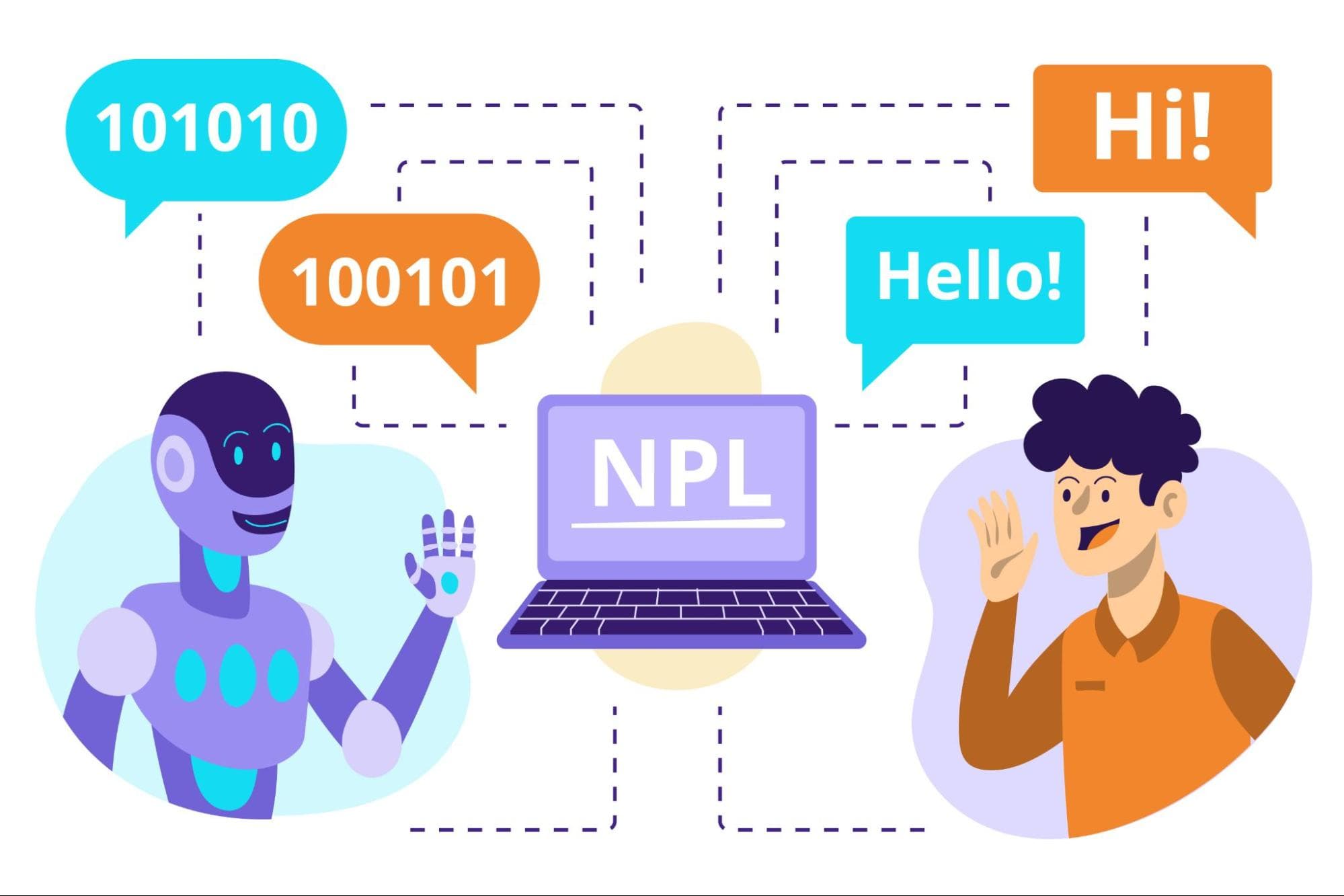
It understands and generates the email content that resonates with specific audiences. Adjusts your tone and word choice to fit different audience groups, while still keeping your brand voice consistent and recognizable over all messages.
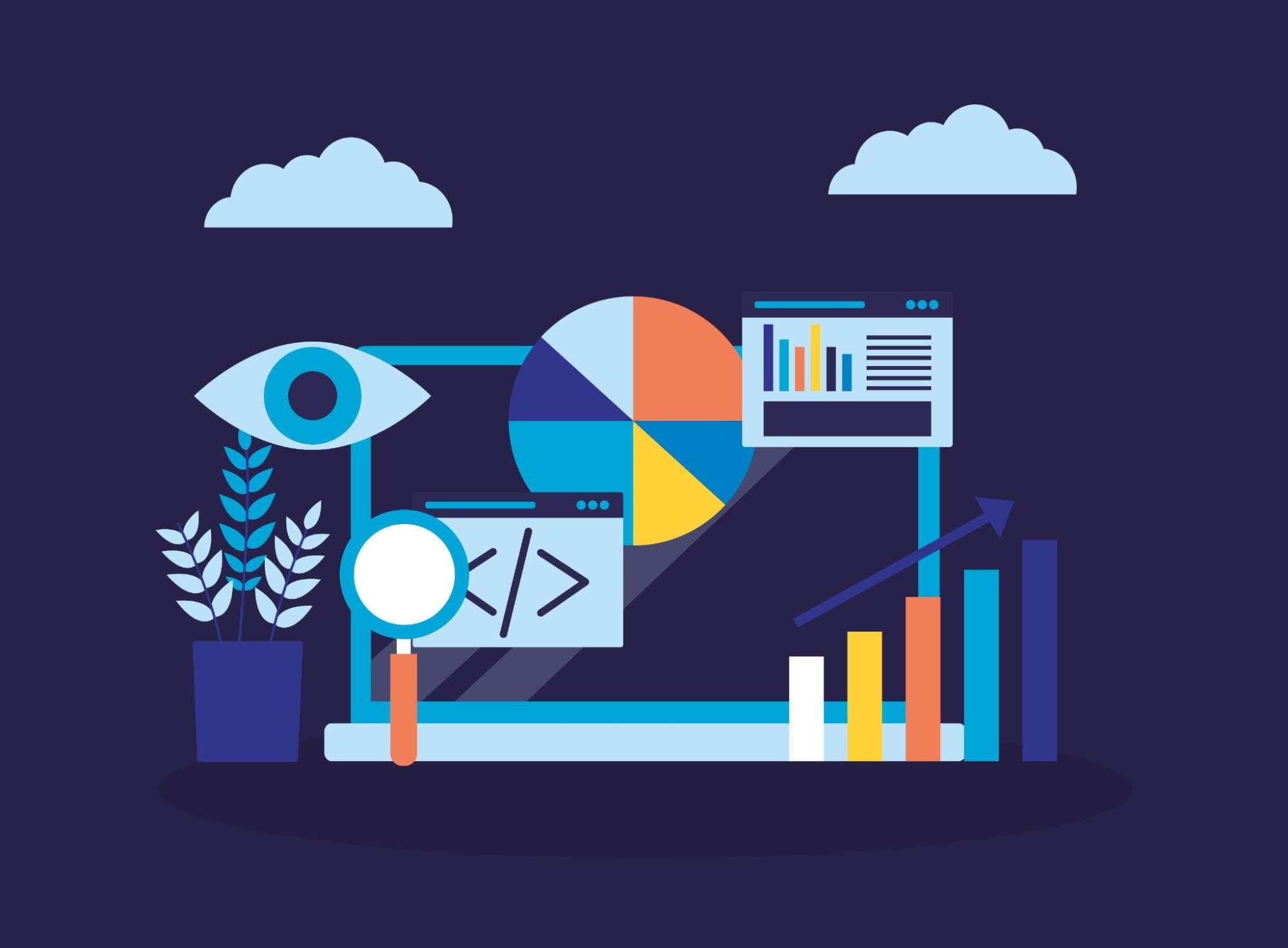
Predictive Analytics
It does the best prediction for appropriate send times, subject line and content variations before producing the final campaign. Instead of assuming and waiting for results, you rely on probability scores that highlight the terms most likely to perform well.
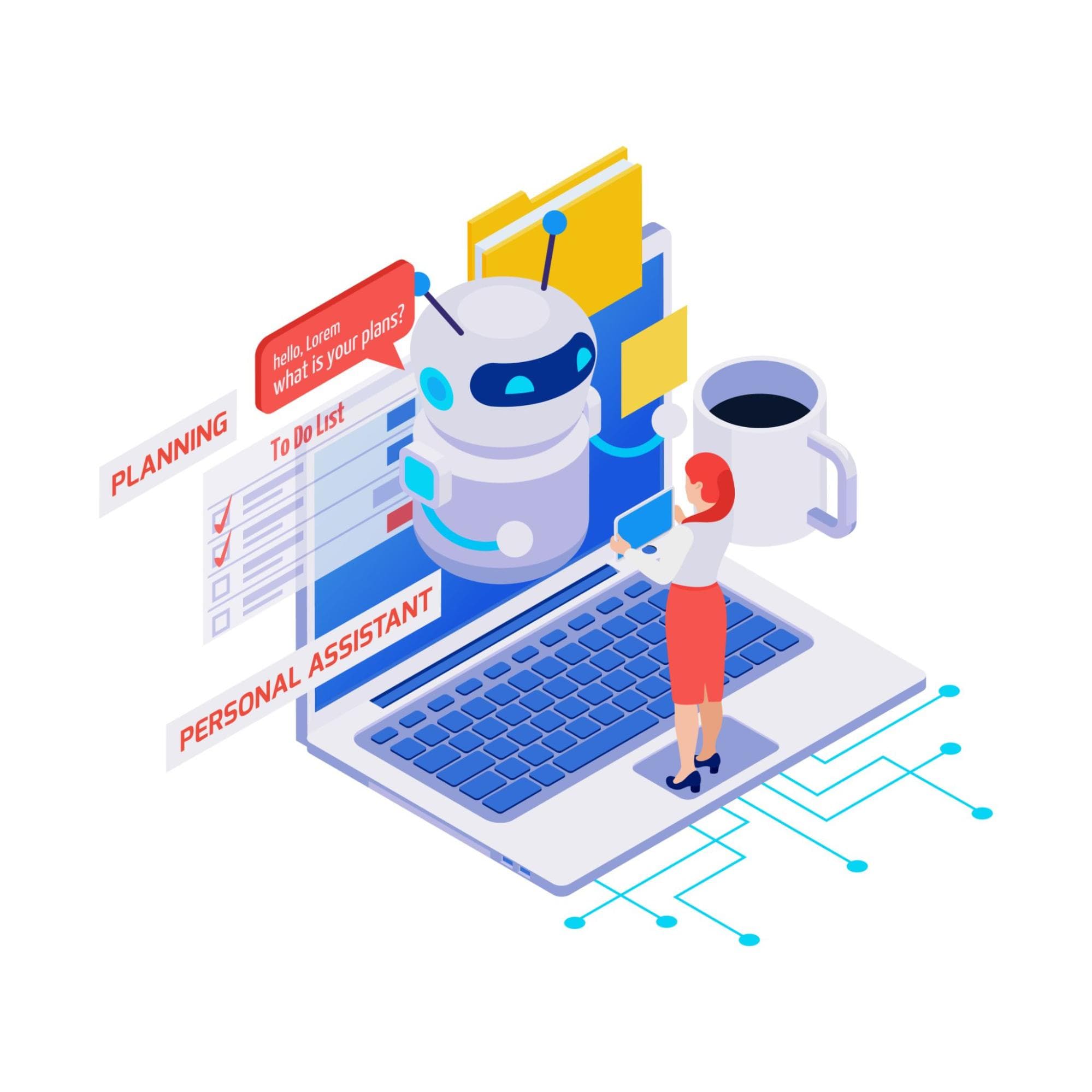
Automated Decision-Making
It makes the final real-time adjustments without any manual effort. Shifting traffic toward better-performing subject lines during a campaign, triggering follow-up sequences based on engagement and automatically pause the versions that aren't performing well.
Machine Learning
Email Marketing Automation Workflow For High-Value Results
AI-powered email systems combine several intelligent technologies to improve campaign performance automatically.
Machine Learning Algorithms
Machine learning helps to analyze the customer behavior patterns and campaign performance across large subscriber lists. The system identifies trends that would normally take hours of manual analysis. It analyzes the data patterns as they come in to optimize campaign performance and decision-making parallelly.
Natural Language Processing
Natural Language Processing enables AI-powered systems to understand and generate human-like email content. It helps businesses to create personalized subject lines with dynamic email copy for specific audiences to keep the brand identity consistent.
Predictive Analysis
Instead of guessing what may work or not, businesses use backed-data predictions. And that predictive analysis helps to determine the best send times with high-converting subject lines. It is the most effective content variation for subscriber engagement.
Real-Time Automation
Automated email system can automatically pause underperforming campaigns. It shifts traffic toward higher-performing variations by triggering follow-up sequences. It adjusts audience targeting to optimize sending frequency. The entire process runs with very little manual effort.
Machine learning
The Role Of Machine Learning In Modern Email Automation
Machine learning is what gives email marketing automation its custom intelligence. It is like an engine that performs back of the stage to define the patterns from data, from subscribers that is invisible for a human analyst. Understanding how ML actually works can help to explain why teams are switching from traditional email tools.
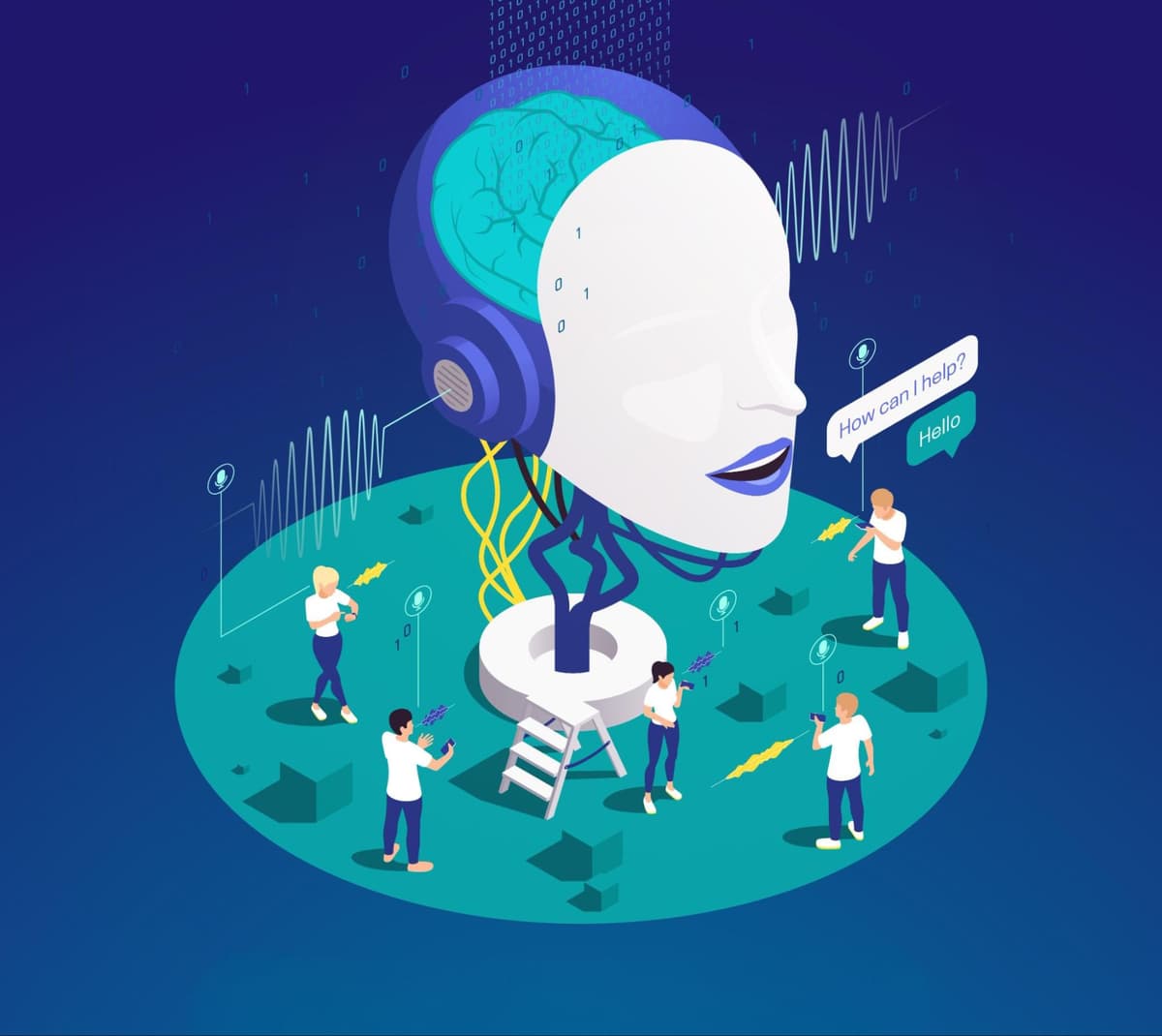
Behavioral Pattern Recognition In AI Email Marketing Automation
Machine learning algorithms identify subscriber behavior patterns much faster than humans. For example, the system may find that users who check emails on their phones between 7 a.m. and 9 a.m. are three times more likely to click product links compared to those using computers at noon. By analyzing large amounts of subscriber data together, these algorithms help marketers make smarter decisions and improve future email campaigns.
Smart Send-Time Optimization For Better Engagement
Rather than sending every subscriber an email at 10 a.m. because someone read a blog post saying that's “when most people check email,” ML analyzes each individual's engagement history to predict their personal engagement window. One subscriber gets the email at 7:15 a.m. And another gets an email at 2:40 p.m. The campaign goes out at different times to different people and engagement rates reflect how perfectly time is selected.
Content Performance Learning
ML tracks how specific content elements perform across different audience segments. It evaluates subject line styles, CTA placements, copy length, image usage and message structure. Then applies what it learns to future campaigns automatically. As long as the AI system runs, it gives the batter a move to the specific audience.
Automated Dynamic Segmentation
Instead of setting the segments manually, AI looks at how people actually behave and groups them automatically. These groups keep updating on their own. If someone starts engaging more, they move into a more relevant group. If they stop interacting, they shift into a back group. You don't need to do anything here.
Benefits
Major Benefits of Email Marketing Automation
Companies that adopt AI-powered email automation consistently experience improved efficiency and increased revenue performance.
Save Time on Manual Tasks
Automates audience segmentation, campaign scheduling, A/B testing and performance monitoring — letting teams focus on strategy and growth.
Improve Personalization
Each subscriber receives different product recommendations, subject lines, content sections, send times and calls-to-action — creating more relevant experiences.
Improve Engagement & Conversions
Automatically optimizes send timing, content and targeting. Improves open rates, click-through rates and reply rates — performing best for lead generation and revenue.
Enhanced Marketing & Sales Collaboration
Links customer interactions with CRM data, giving both teams access to shared customer insights — improving lead qualification, sales conversations and campaign attribution.
Scale Without Extra Headcount
Manage complex, high-volume email marketing campaigns without expanding your team. AI handles the complexity automatically as volume grows.
Data-Driven Accuracy
Replaces assumptions with probability scores and real-time data. Every decision — from subject lines to send times — is backed by evidence, not guesswork.
Features
Key Features Of Automated Email Campaigns For Modern Marketing
AI-powered email automation platforms offer a wide range of features that go beyond traditional email marketing tools. These features are designed to optimize campaign performance, improve personalization and enhance customer engagement.
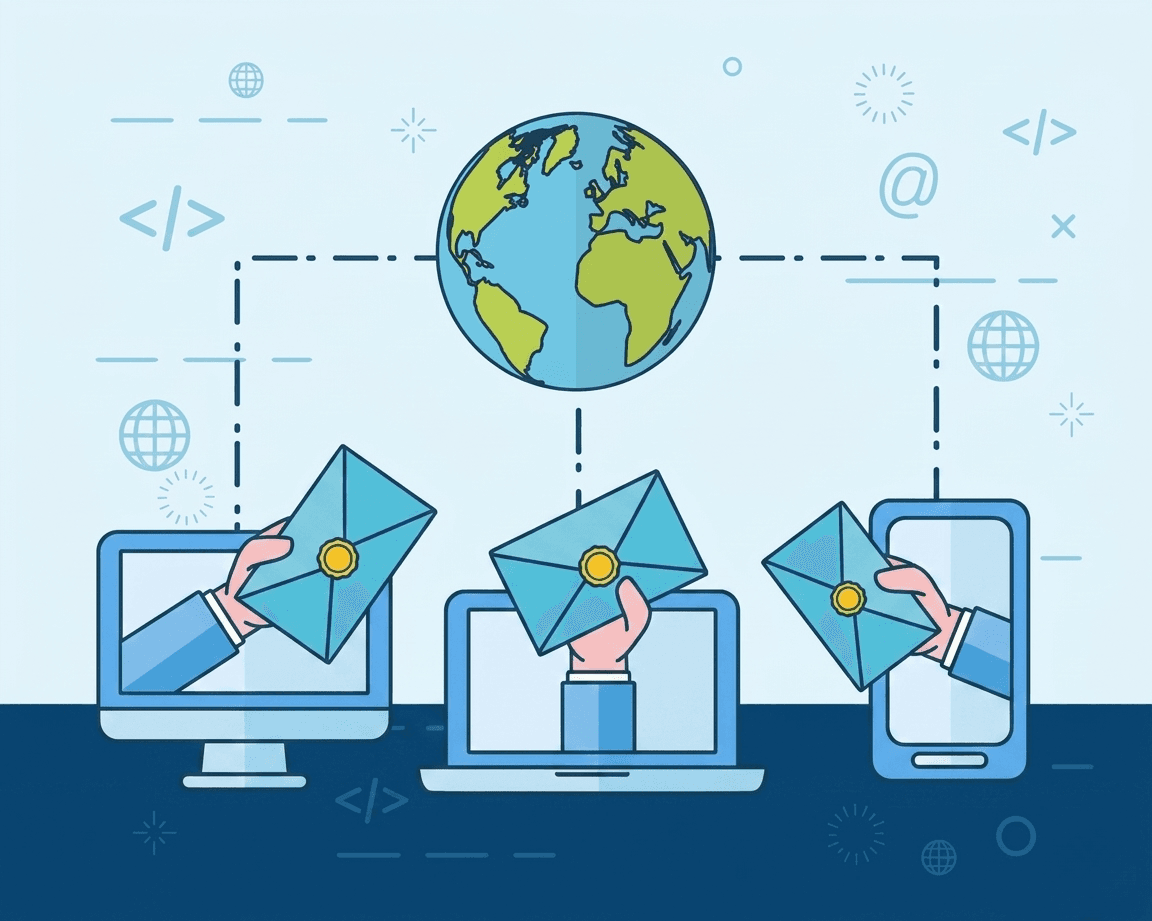
Smart Send-Time Optimization
The automated email system analyzes subscriber behavior and automatically sends emails when each individual is most likely to engage. It takes this decision on the basis of previous data and user's preferences.
Real-Time Audience Segmentation
Email automation organizes subscribers into relevant audience groups based on behavior and activity instead of manually updating the email lists parallelly. It keeps improving the result on real-words data based.
Automated Content Personalization
Automated email marketing software customizes email content according to customer preferences, interests and previous interactions by itself and ensures accuracy.
Real-Time Campaign Optimization
Best automated email campaigns improve while running through automated testing and performance adjustments simultaneously.
Behavioral Trigger Emails
AI can trigger emails automatically based on actions of product views, abandoned carts, website visits and downloads rates. It also focuses on inactive engagement.
A/B Testing Automation
Automated email systems can test different subject lines, content styles and visuals at the same time to identify what performs best. It helps improve engagement without manual testing efforts.
Predictive Analytics for Campaign Performance
AI analyzes past campaign data to predict future performance, helping marketers understand which emails are likely to convert before they are even sent.
Customer Lifecycle Automation
Email automation adapts messaging based on where a customer is in their journey, whether they are new subscribers, active buyers, or inactive users, ensuring more relevant communication at every stage.
Cross-Channel Integration
Modern email automation platforms connect with other channels like SMS, CRM and social media, creating a unified marketing experience across all touchpoints.
Deliverability Optimization
AI helps improve inbox placement by monitoring sender reputation, engagement rates and email quality to reduce spam filtering and increase delivery success.
Platform types
Types of AI Email Marketing Automation Platforms Explained
Different platform architectures deliver these capabilities in fundamentally different ways. Understanding your options helps you choose the approach that fits your current systems, team structure and strategic goals.

Standalone AI Email Assistants
Standalone AI email tools are specialized platforms that layer AI capabilities on top of existing email marketing systems through integrations or API connections. They typically focus on specific capabilities, subject line optimization, send-time prediction, or content generation rather than managing the full campaign lifecycle.
Best for
Best for teams satisfied with their current email platform who want to add specific AI capabilities without rebuilding their entire stack.
Integrated CRM Email Automation
Integrated CRM email automation platforms have AI-powered email capabilities built directly into a customer relationship management system creating a single unified environment for customer data and campaign execution. There's no synchronization required because the data never left one place.
Best for
It is best for organizations where marketing-sales alignment is a priority, teams that want to eliminate data silos and companies trying to connect email performance directly to revenue outcomes rather than just engagement metrics.
Autonomous AI Email Agents
Autonomous AI outreach agents represent the cutting edge of email automation advanced systems that independently manage entire email programs with minimal human oversight, making strategic decisions about targeting, content, timing and optimization.
Best for
Ideal for large-scale operations managing thousands of simultaneous campaigns, organizations with mature data infrastructure and well-defined success metrics and teams comfortable building the governance frameworks required to delegate strategic decisions to AI systems.
Implementation
Steps to Implement Email Marketing Automation Successfully
Successful adoption requires planning. Teams that skip these steps spend months fixing problems that thoughtful preparation would have prevented entirely.
Map Your Current Email Processes
Before you evaluate a single platform, document your existing email marketing workflows, identify your biggest pain points and establish a baseline for measuring improvement. The goal isn't just to understand what you do today. It's to identify where AI can deliver the most immediate value.
Define Success Metrics Tied to Business Outcomes
Vague goals produce vague results. “Improve AI automated email marketing” tells you nothing about whether your AI investment is paying off. “Increase email-attributed revenue by 25% within six months” gives you a clear target to work backward from.
Select the Right Platform for Your Team
Evaluate platforms across four dimensions: AI capability sophistication, CRM integration depth, ease of use for your team's current skill level and scalability as your campaign volume grows. For teams where marketing-sales alignment and revenue attribution are strategic priorities, platforms with native CRM integration eliminate complexity from day one.
Connect and Clean Your Data First
AI email workflow automation is only as good as the data it learns from real-time sources. Garbage in, garbage out applies here more than almost anywhere else in marketing technology. Before you implement anything, audit your existing contact data, remove duplicates, standardize field formats and establish data quality standards that will govern ongoing maintenance.
Start With Focused Pilot Campaigns
Don't try to automate everything simultaneously. Select a handful of high-impact, lower-risk campaign types where AI can add clear value and where you can easily measure success. Pilots teach you how the platform actually behaves in your environment, validate your configurations and generate early wins that build internal support for broader adoption.
Scale Up While Building Optimization Habits
After successful pilots, expand email automation with AI across more campaigns but don't just turn it on and walk away. Build sustainable habits for reviewing performance, testing new capabilities, training your team on advanced features and documenting what you're learning. Email marketing automation improves over time as the system processes more data and learns more about your audience. The teams that get the most out of it are the ones that treat it as an ongoing practice rather than a one-time implementation.
Who it's for
Email Marketing Automation For Different Businesses
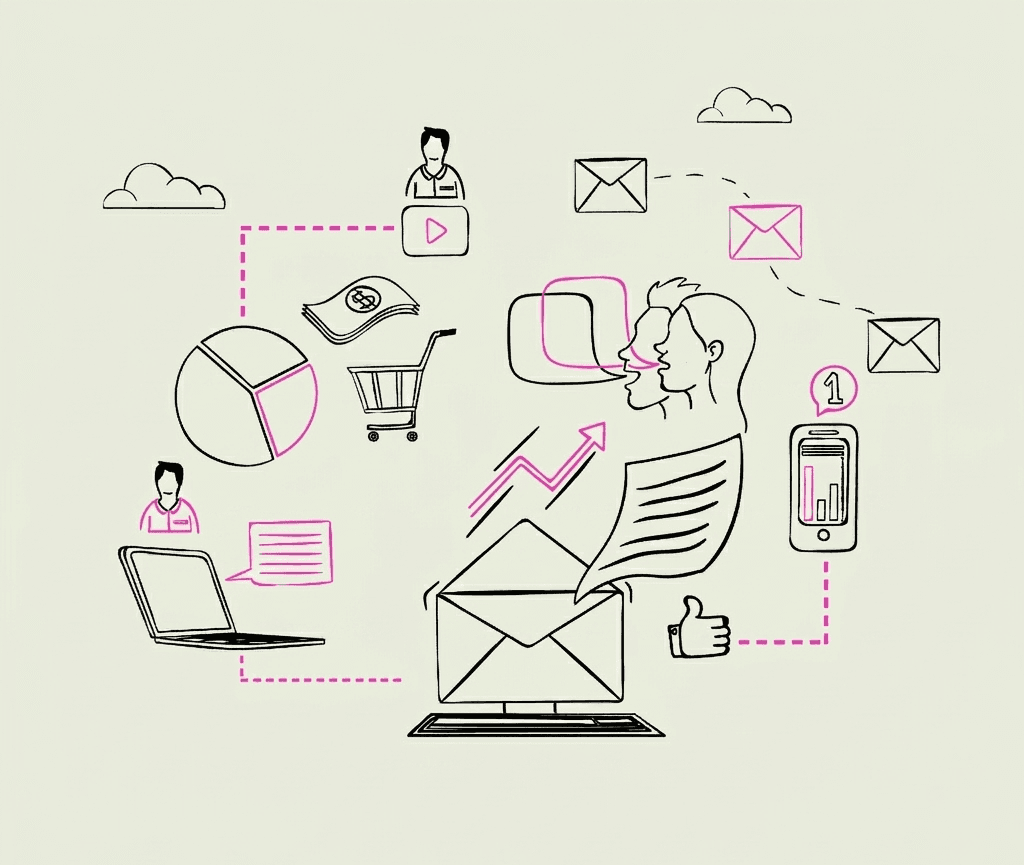
Email marketing automation is useful for many businesses, including eCommerce stores, healthcare clinics, real estate agencies and educational platforms as well.
SaaS Businesses
AI helps SaaS companies nurture free trial users with personalized onboarding sequences and engagement-based follow-ups.
Ecommerce Stores
Online stores use AI to recover abandoned carts, recommend products and increase repeat purchases through personalized campaigns.
B2B Companies
B2B organizations use automated email campaigns to shorten sales cycles and improve lead nurturing using behavior-based communication.
Agencies
Email automation agencies use AI to manage multiple client's campaigns more efficiently while maintaining customization in email content and overall performance.
What you can achieve
What You Can Achieve Using This Tool
With a system like this in place, businesses can move from basic email sending to a fully optimized revenue-driven workflow. Here's what can be actually achieved through email automation services:
Send right emails with optimized content to the right person automatically without manual efforts.
Increase engagement by delivering emails when users are most active.
Convert subscriber behaviors into clear sales insights.
Cut down the campaign management time by implementing the automation in daily tasks.
Boost conversion rates through ongoing optimization activities.
Run multiple campaigns at scale without losing personalization.
Connect email performance directly with revenue outcomes.
Build smart customer journeys that evolve company value with every interaction.
Rather than depending on assumptions, systems keep learning and improving on the basis of real-world data to produce the valuable results.
Best practices
Best Practices To Improve Email Marketing Automation Performance
Focus On Quality Data
Email automation software performs best when customer data is accurate, organized and well-updated on a daily basis. How much the customer or user's data will be accurate AI will make decisions correctly.
Start With High-Impact Campaigns
Businesses should begin with welcome sequences, re-engagement campaigns, product education emails and abandoned cart workflows as well.
Monitor Performance On Daily Basis
Although AI handles optimization automatically, reviewing campaign insights regularly can strengthen overall email marketing automation strategy.
Connect Email Marketing With CRM Data
Implementing email campaigns with CRM systems helps to create a seamless customer journey and better marketing-to-sales alignment.
Why businesses switch
Why Businesses Are Moving Toward Automated Email Marketing
Modern businesses expect fast execution, accurate targeting and valuable results. Traditional email marketing commonly falls short because it depends on assumptions very much.
An automated email system solves this by making everything adaptive and data-driven oriented. It helps businesses to improve targeting accuracy to increase conversions. It strengthens customer relationships to track real revenue impact. It helps to reduce manual workload and manage campaigns more efficiently.
The future
The Future Of Email Marketing Automation
The capabilities available today represent an early chapter, not a finished story. As machine learning models become more sophisticated and data infrastructures mature, AI email automation will become capable of things that currently require significant human judgment.
Conversational email experiences will blur the line between automated sequences and genuine dialogue, with AI-generated responses adapting to individual replies in ways that feel human while scaling to every subscriber.
The organizations building AI email automation capability now learning the patterns, cleaning their data, connecting campaigns to revenue are the ones who will be positioned to take advantage of each new capability as it emerges. The learning curve is real, but the compounding advantage for early movers is equally real.
FAQ
Frequently Asked Questions
AI email marketing automation is an automated email marketing platform. That performs on the basis of real-time data insights. It learns from user's behaviours in the past to get that pattern for making best decisions. It helps to enhance the business value by sending the right email message to the right person at the right time efficiently.
AI email automation CRM is designed in such an efficient way that it can manage large volume pipelines efficiently. It helps teams to organize leads, automate repetitive tasks, track deals in real time and keep the whole process smooth even without manual efforts.
Teams can usually set up a pipeline through automated email marketing software in minimum time. The platform offers an easy user interface that helps businesses to get started without a complicated setup process.
Automated email marketing helps businesses to track sales activities in real time and analyze customer behavior, deal progress and its historical data. This gives teams a clearer view of the pipeline and helps create more accurate sales forecasts.
Ready to Transform Your Email Marketing?
Rather than depending on old traditional workflows, use AI email automation to create highly personalized, data-driven email experiences that scale with your business.
14-day free trial · No credit card required · Cancel anytime · Setup in under 3 minutes